

Streams of Hope in a Broken Land
For most fourteen-year-olds, a five-minute walk is a triviality—a quick stroll to a friend’s house or a short trek to school. But for Raybeane D. Tubong, a resilient young girl from the Bawing Tribal Village, a five-minute walk used to be a grueling, sun-baked necessity. It was the exact distance she had to walk, over and over again, to keep her family alive.
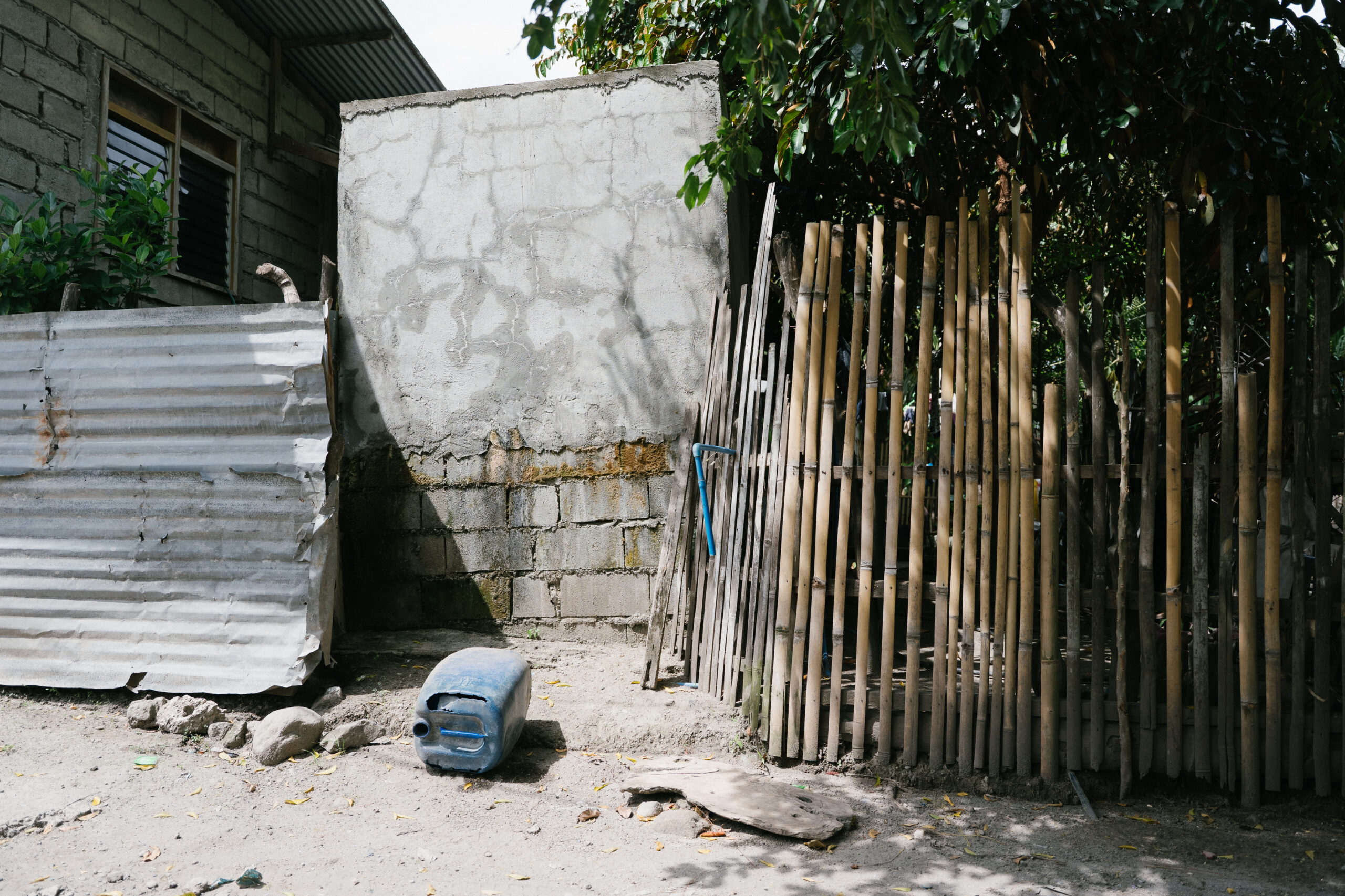
The water station machine where residents dropped coins into a slot to receive water—was completely destroyed by the earthquake.
When the Earth Shook, the Water Vanished
On June 8, Raybeane was sitting in her school yard, standing in formation for the morning flag ceremony, when the ground beneath her feet violently tore open.
“Every student there was crying,” Raybeane recalls, her voice still holding the quiet tremor of that day. “Some fainted. My Mama was panicking at home because the earthquake was so incredibly strong.”
While her family survived the disaster unscathed, the infrastructure that sustained their village did not. The community’s main water system—a machine where residents dropped coins into a slot to receive water—was completely destroyed. The violent tremors choked the water lines, filling the machinery with heavy river sand.
Overnight, a community already vulnerable was thrust into a crisis. The water simply stopped flowing.
The Dangerous Drink
With the taps dry at the top of the village, the daily burden of survival fell onto the shoulders of the community’s youth. Raybeane became one of the village’s water bearers.
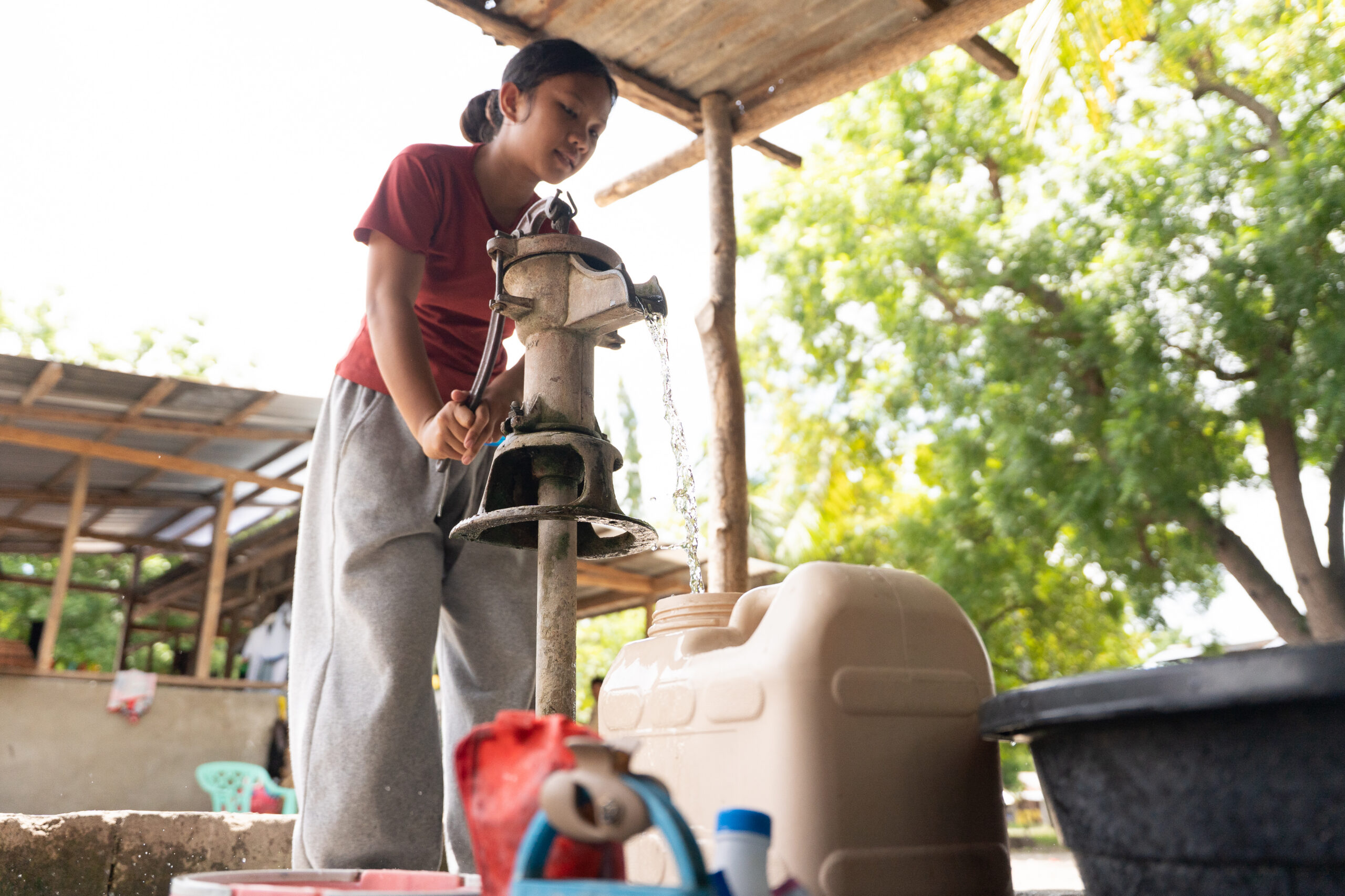
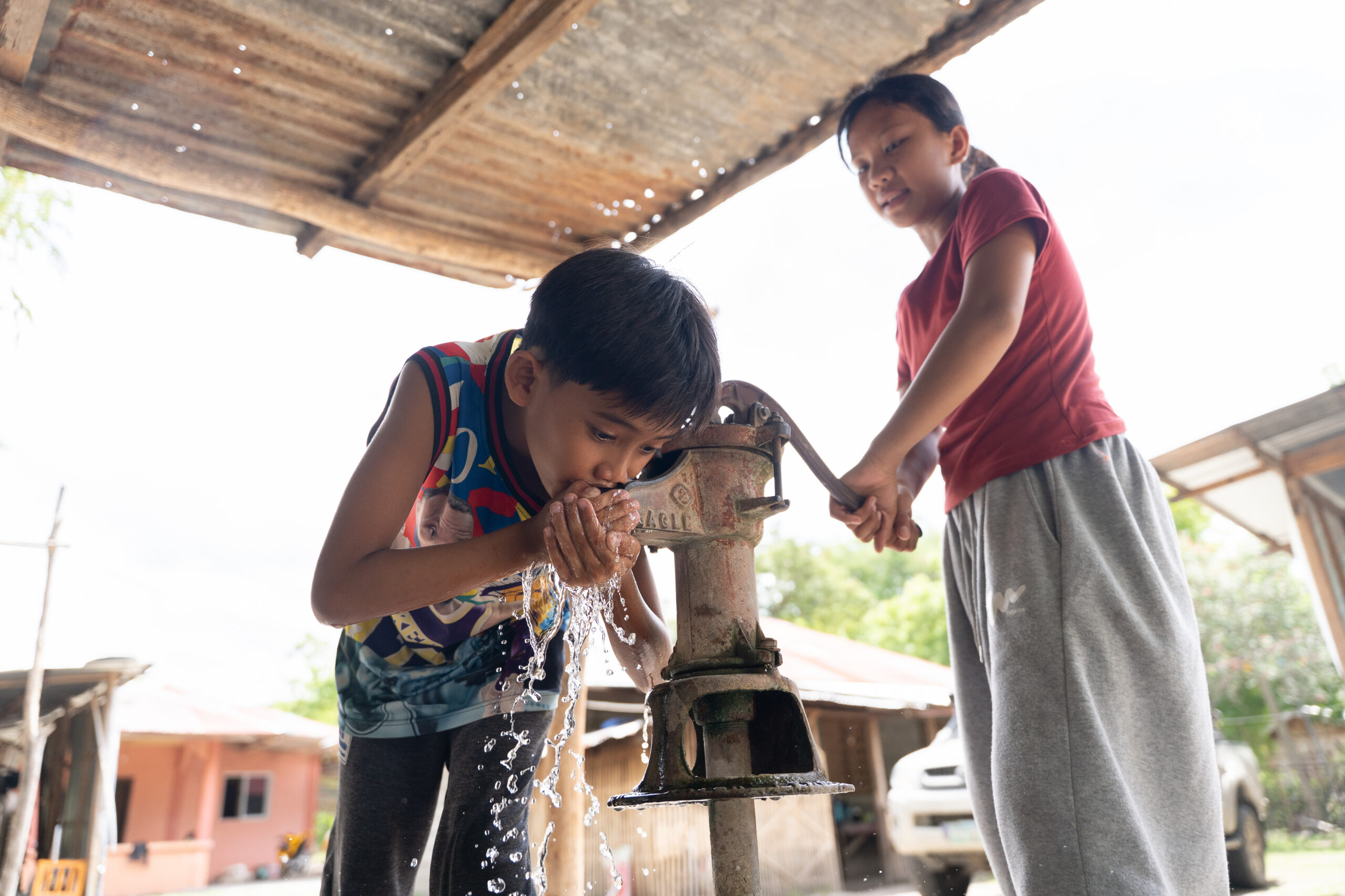
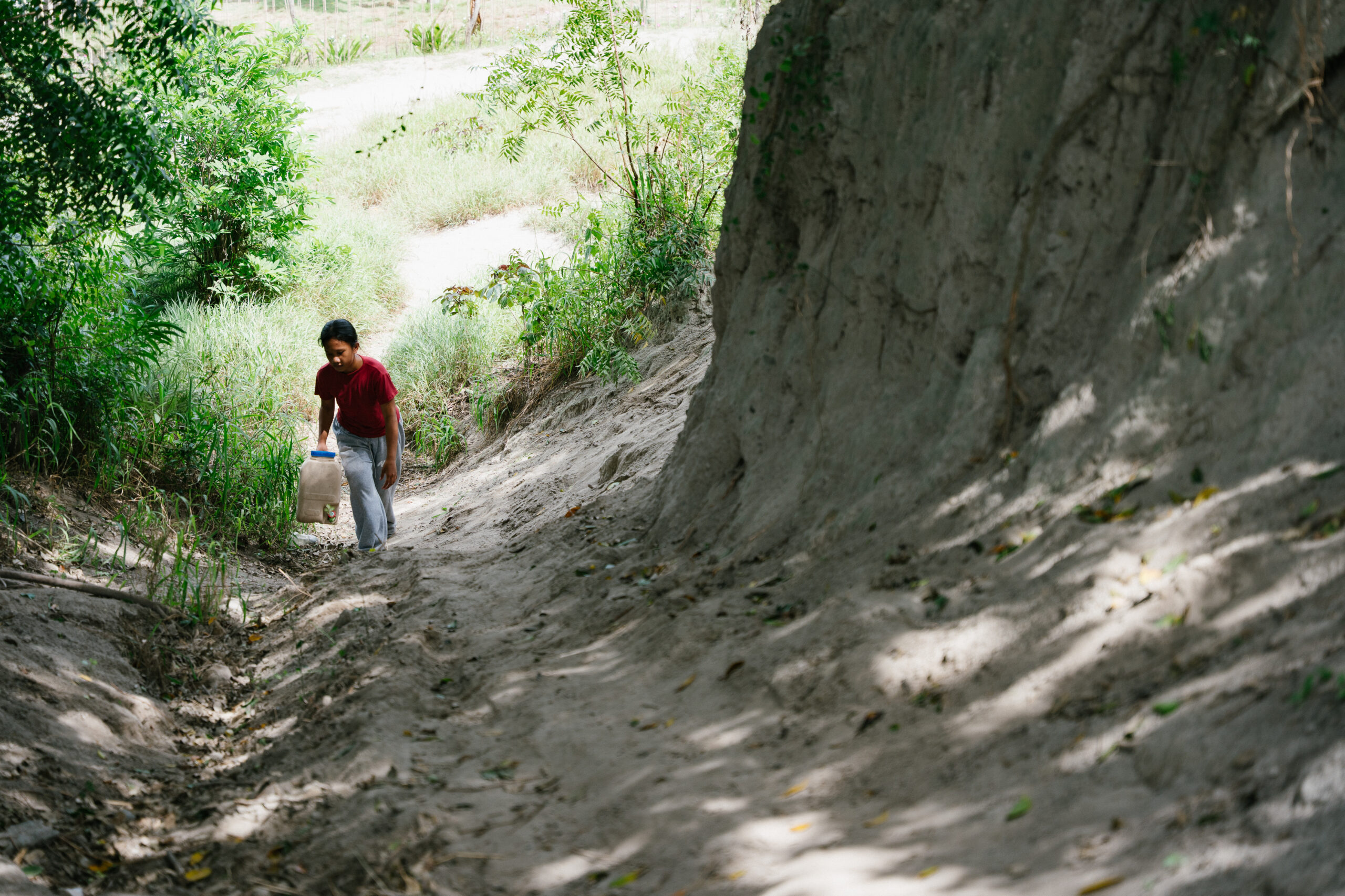
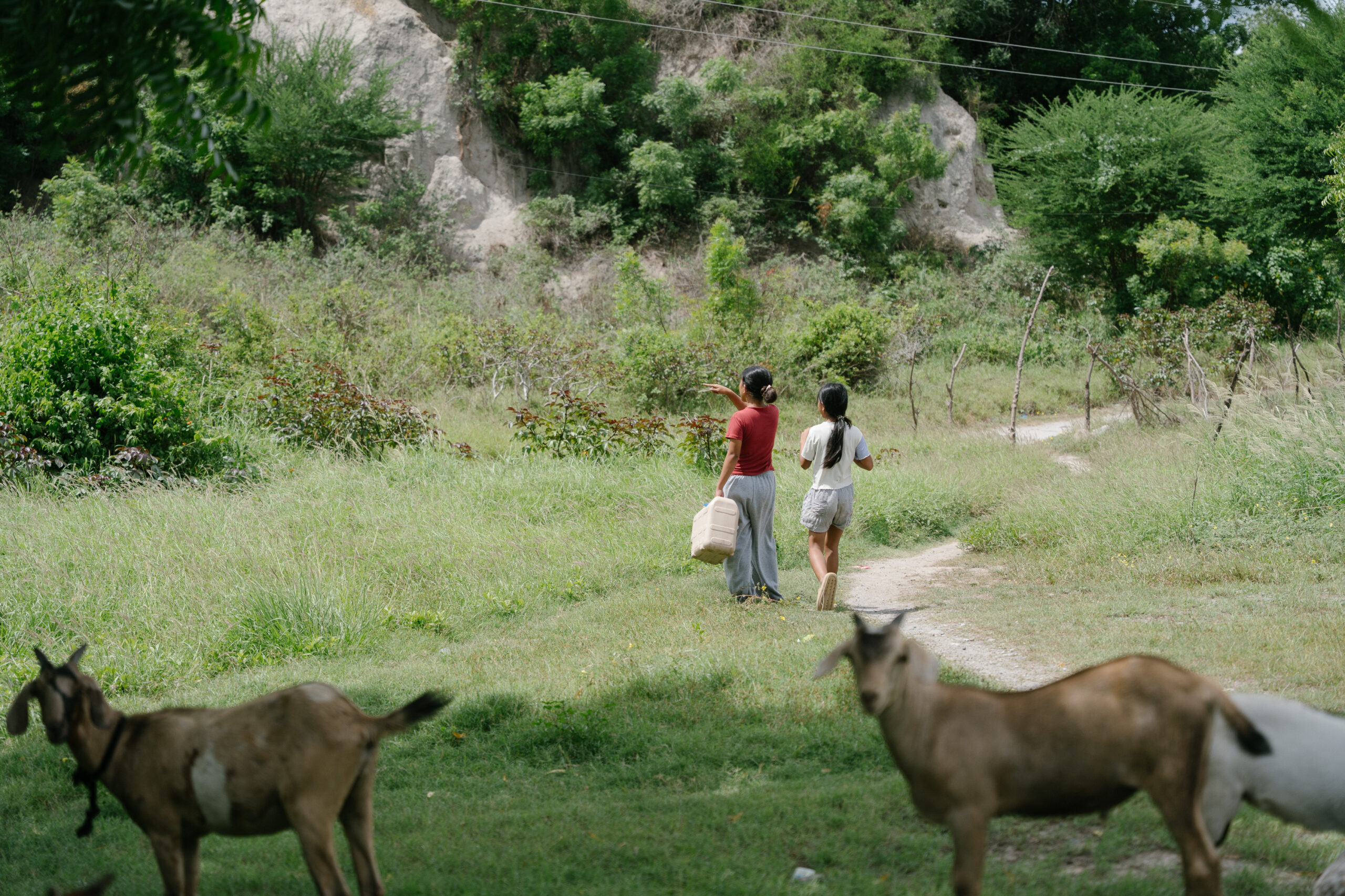
Every single day, under a relentless, blinding heatwave, Raybeane had to trek down to the bottom of the valley to a communal manual pump. Because fuel prices had skyrocketed, riding a local tricycle was a luxury her family could rarely afford; they had no choice but to travel by foot, hauling heavy containers under the blazing sun.
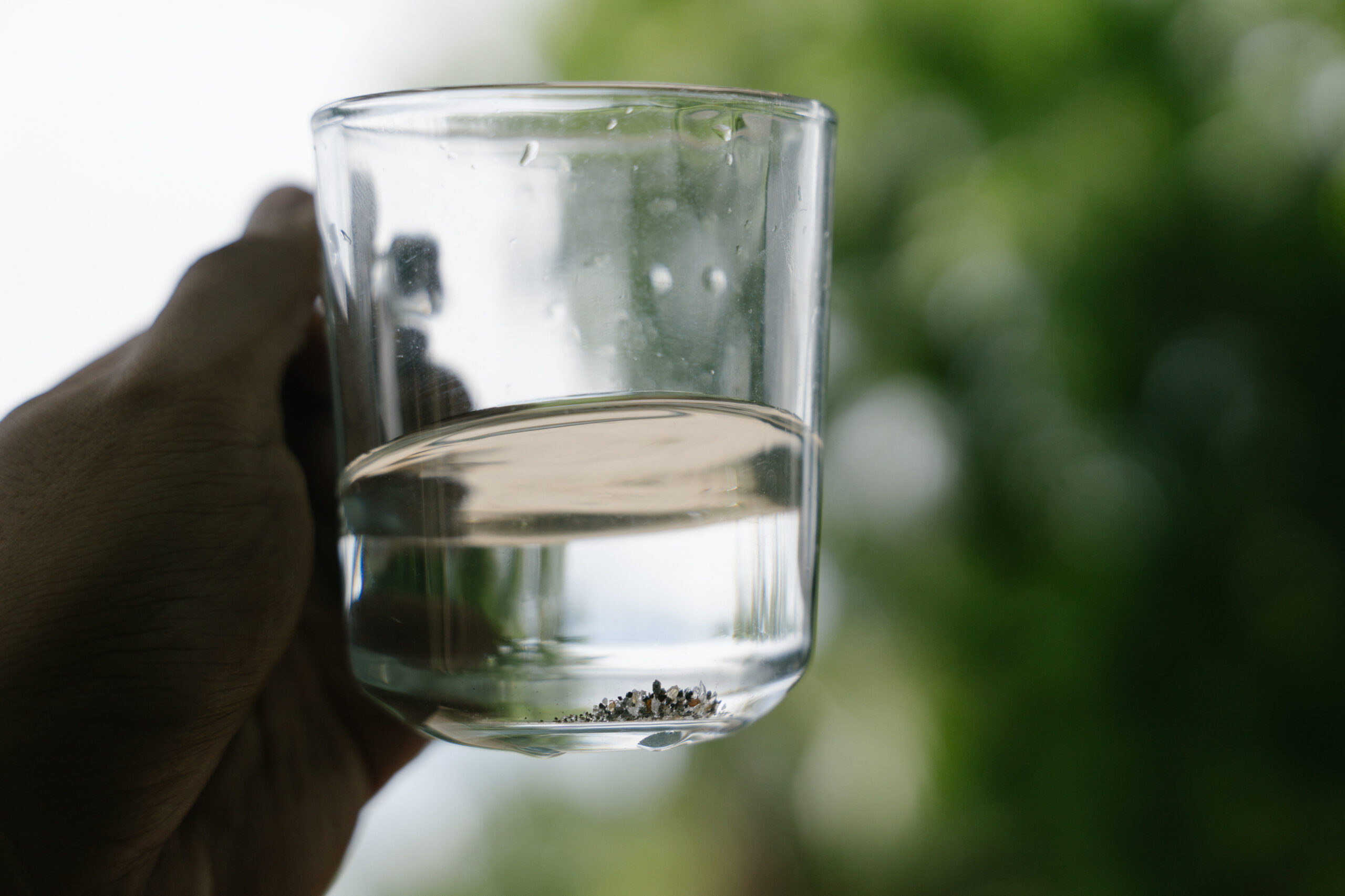
But the physical exhaustion wasn’t the worst part. The water coming out of the manual pump wasn’t clean—it was heavily laced with sand.
“When I pump it, sometimes I can see sand in it,” Raybeane explains. “What we do is… when we’re about to drink, we just let the water sit so that we don’t accidentally drink the sand. We let it stay still so the sand settles to the bottom before we drink.”
For months, this was the baseline of survival in Bawing Tribal Village. A glass of water was a calculated risk. They looked at the sand swirling at the bottom of their cups, waited for it to settle, and drank anyway because the alternative was dehydration. When asked if the contaminated water made her sick, Raybeane simply shrugged. “No,” she said softly. “We just got used to it.”
“What we do is… when we’re about to drink, we just let the water sit so that we don’t accidentally drink the sand. We let it stay still so the sand settles to the bottom before we drink.”
Deploying Hope: Clean Water Comes to Bawing
No child should ever have to “get used to” drinking sand.
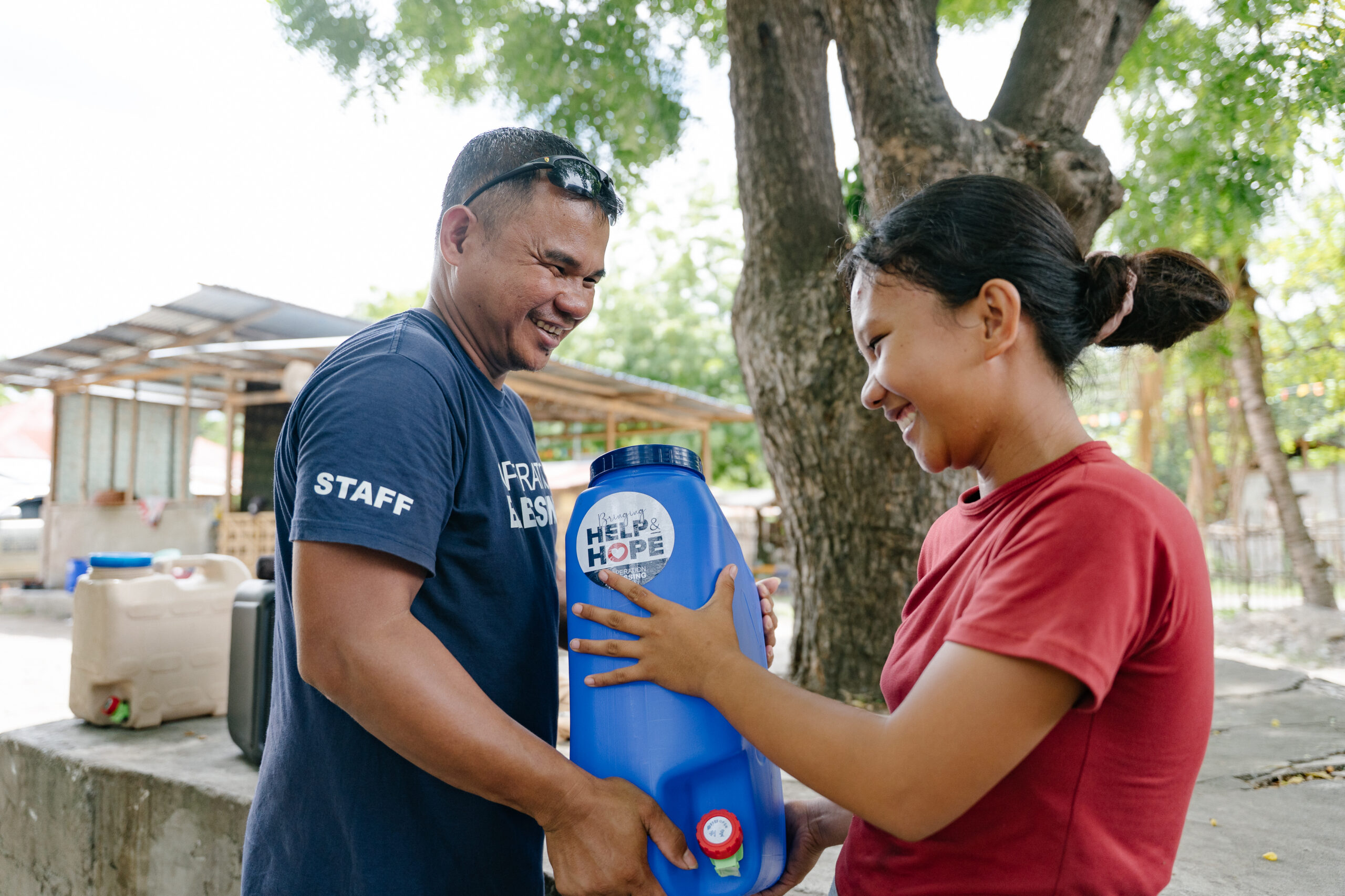
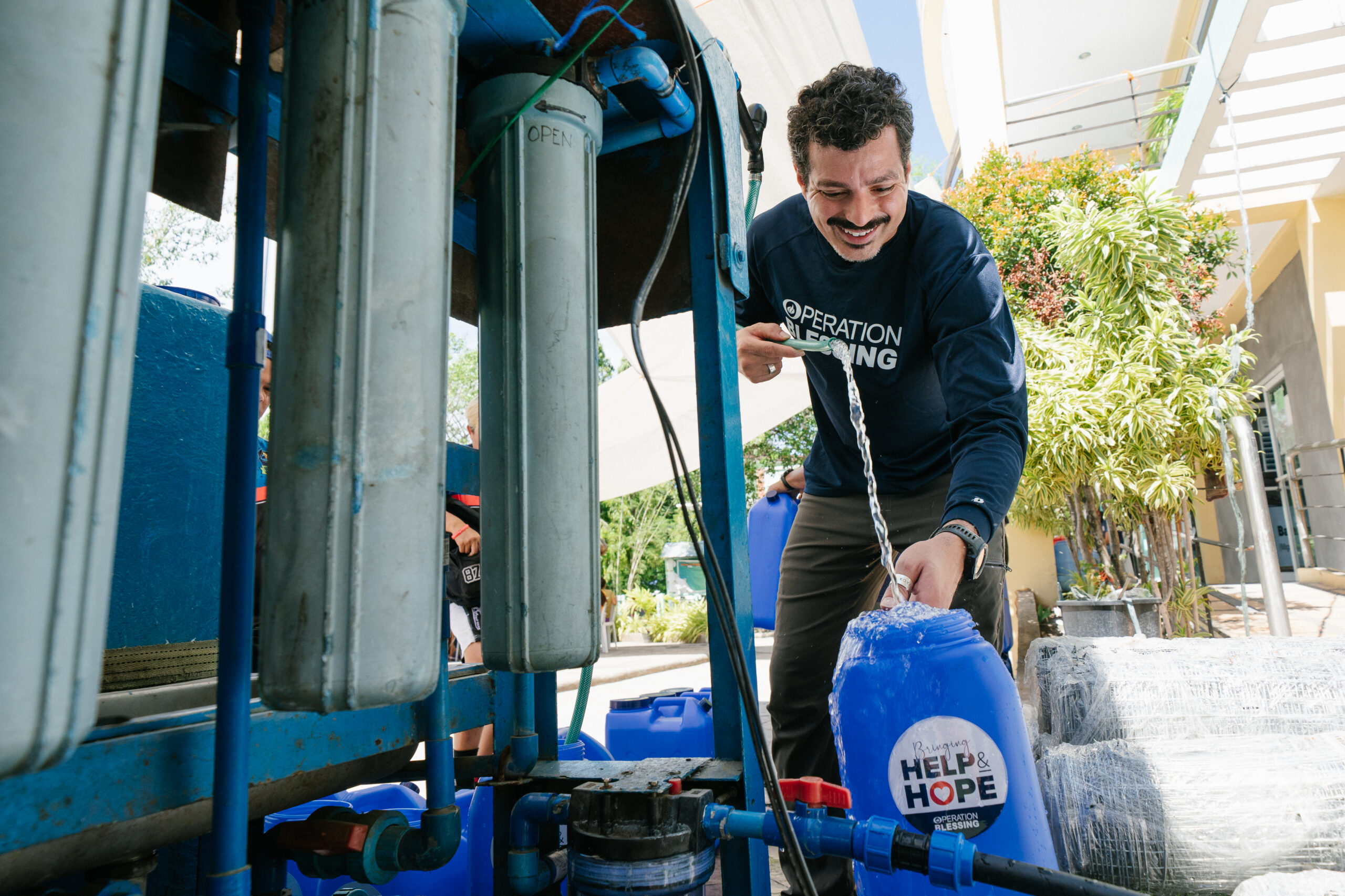
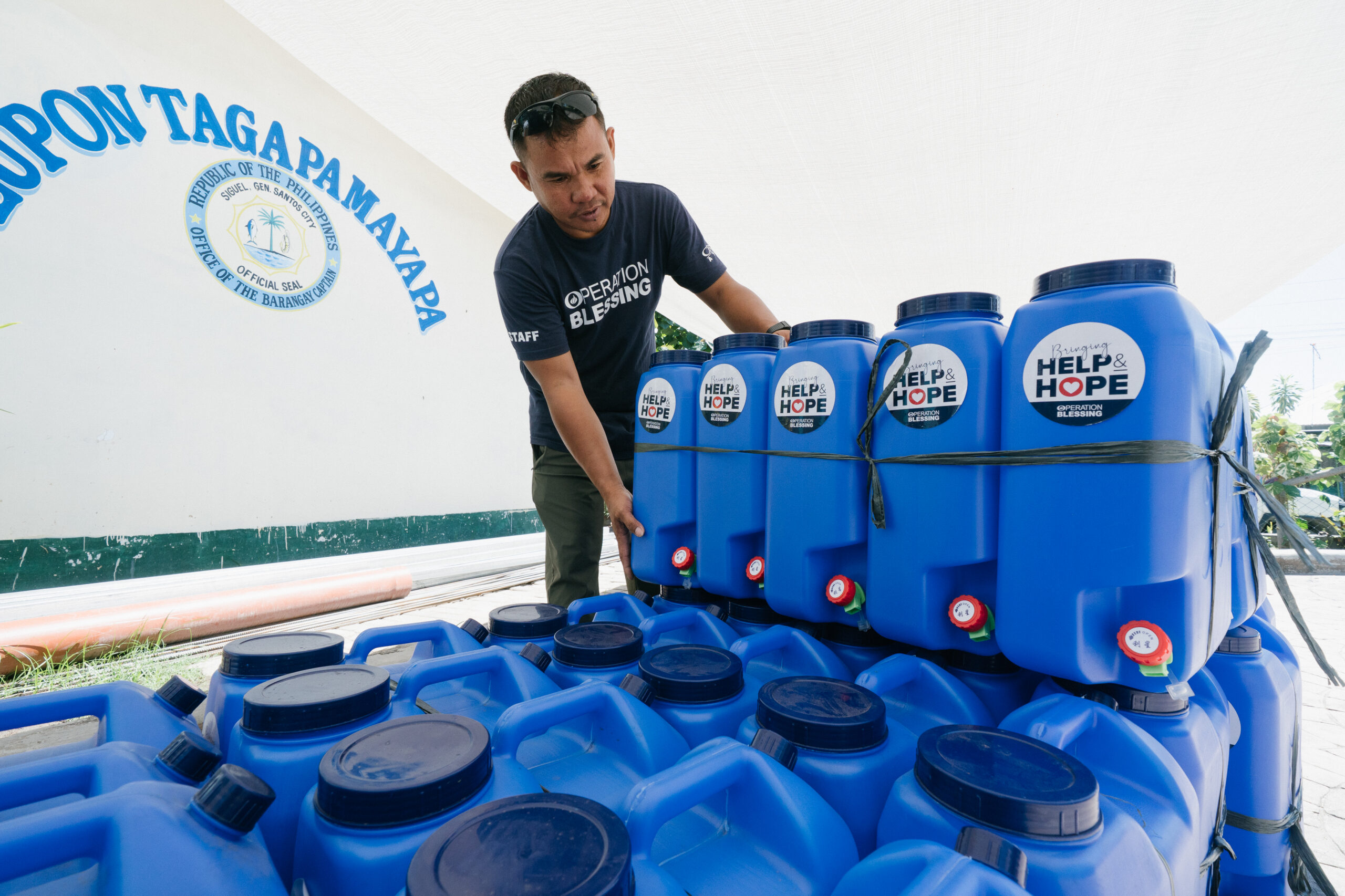
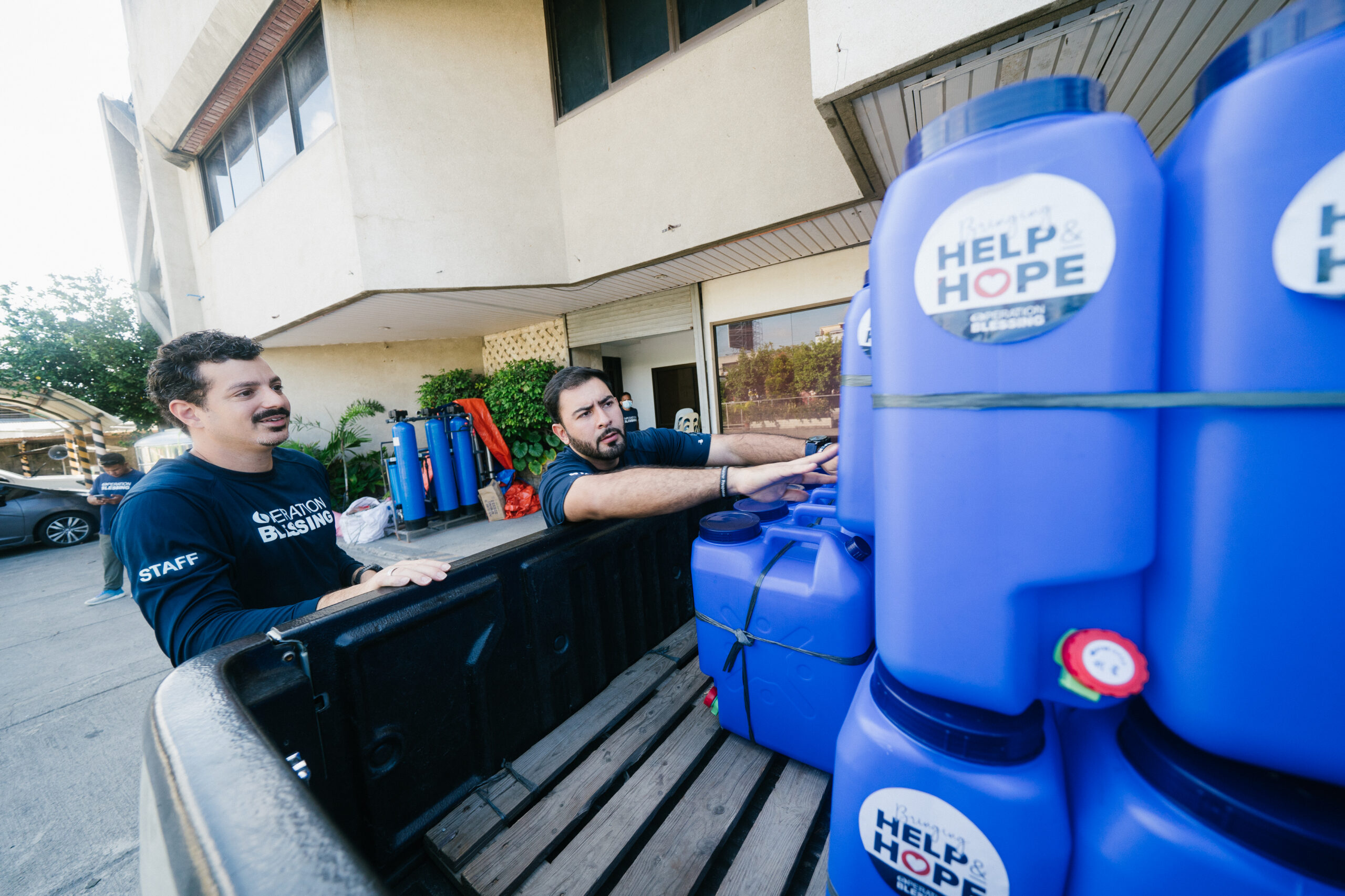
Recognizing the critical emergency in the community, Operation Blessing arrived in the village to break the cycle of contamination. Along with our water experts from our global disaster team set up a clean, potable water station right in their Barangay and gave families like Raybeane’s with secure, dedicated water containers to carry and store clean water safely.
The impact on the ground was immediate and profound.
“The water given to us is so important,” Raybeane says, her face lighting up with a mixture of relief and immense gratitude. “We don’t have to drink water from the pump here anymore. We don’t have to risk drinking the sand.”
“Bong Salamat!”
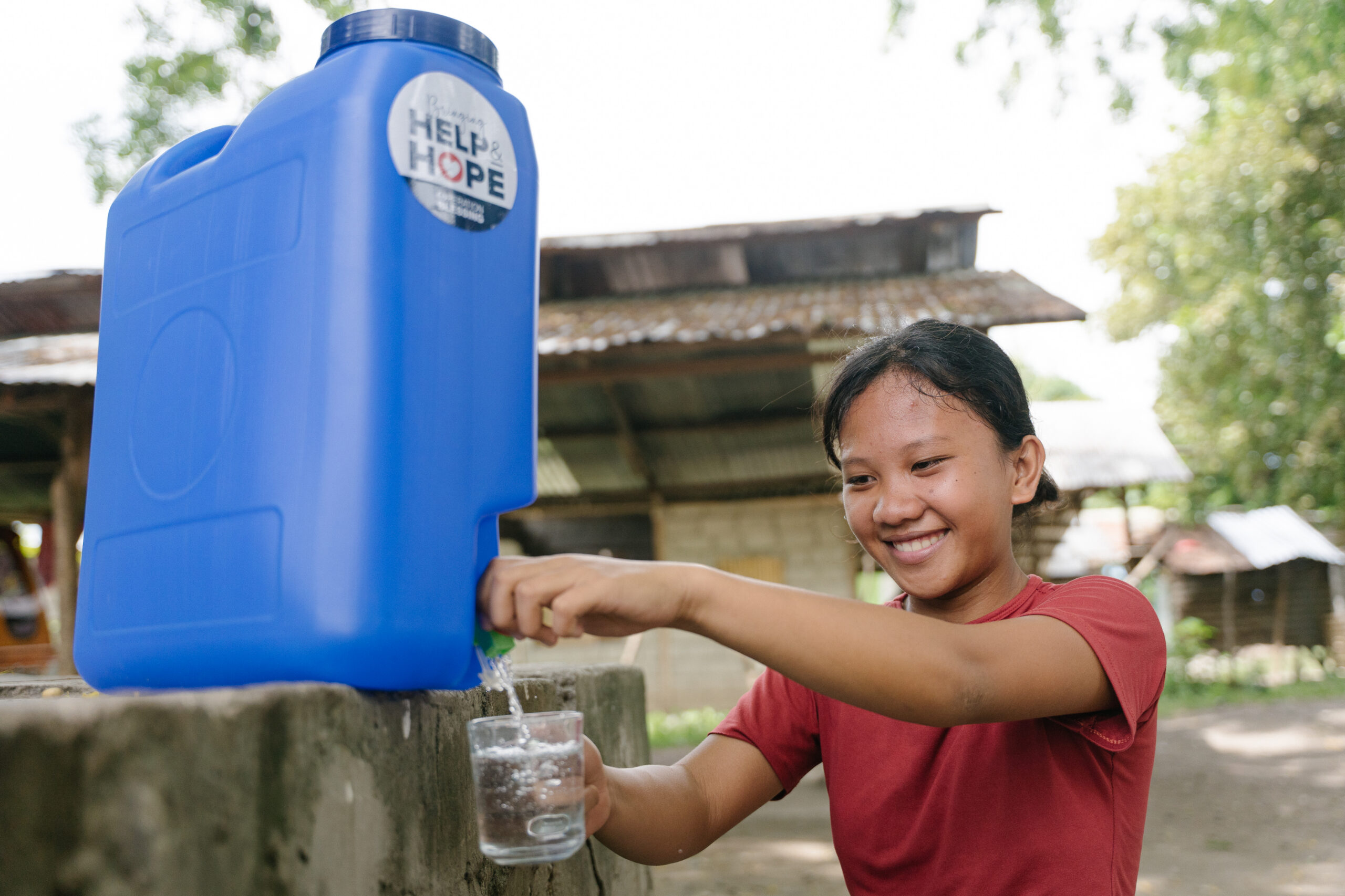
Today, Raybeane still worries when the bench she sits on vibrates, a lingering phantom of trauma from the earthquake’s aftershocks. But she no longer carries the weight of a contaminated water supply on her back.
Thanks to the generous hearts of our donors and partners who supported our disaster response team, an entire tribal village has transitioned from mere survival to true recovery.